

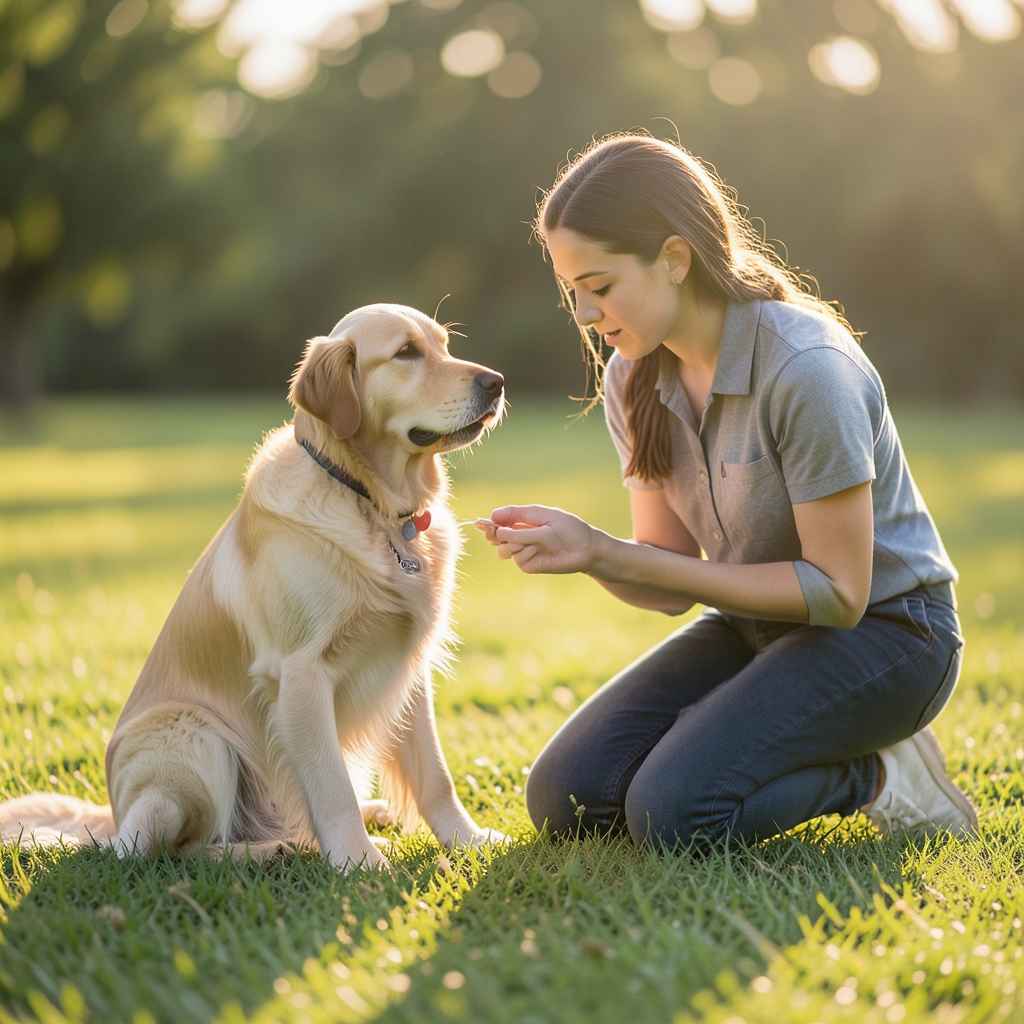
Separation anxiety dog training helps dogs learn how to feel safe, relaxed, and independent when their owners are away. Many pet parents experience the frustration of barking, destructive behavior, pacing, or stress-related accidents when leaving their dogs alone. These behaviors are not simply signs of disobedience, they often come from fear, uncertainty, or an inability to cope with being separated.
At Rob’s Dog Training, the focus is on creating positive changes through personalized training strategies that improve communication between dogs and their families. With the right approach, dogs can develop emotional stability, stronger coping skills, and healthier routines.
Understanding why separation anxiety happens is the first step toward helping dogs overcome it.
What Causes Separation Anxiety in Dogs?
Dogs are naturally social animals. They form strong bonds with their families, and while that connection is a positive part of pet ownership, some dogs struggle when they are left alone.
Separation anxiety can develop from several factors, including:
- Major changes in routine or environment
- Moving to a new home
- Changes in family schedules
- Past abandonment or stressful experiences
- Lack of gradual independence training
- Overdependence on constant human attention
A dog experiencing separation anxiety may show behaviors such as excessive barking, whining, chewing furniture, scratching doors, drooling, or attempting to escape. These actions are often a response to emotional distress rather than a deliberate attempt to cause problems.
Recognizing these signs allows owners to address the root cause instead of only managing the symptoms.
How Separation Anxiety Dog Training Works
Effective separation anxiety dog training focuses on teaching dogs that alone time is safe and predictable. Instead of forcing a dog to “get used to it,” professional training uses structured techniques that gradually build confidence.
A successful training plan often includes:
Creating Positive Alone-Time Experiences
Dogs need to learn that being alone does not mean something negative is happening. Trainers may introduce short periods of separation while rewarding calm behavior.
Over time, dogs begin associating independence with comfort instead of fear.
Building a Consistent Routine
Dogs thrive on predictability. A consistent daily schedule for meals, walks, exercise, playtime, and rest can reduce uncertainty.
A stable routine helps dogs understand what to expect throughout the day, making transitions easier.
Encouraging Independent Behavior
Many dogs become anxious because they rely heavily on constant interaction. Teaching healthy independence can include:
- Encouraging relaxation in a separate area
- Rewarding calm behavior without constant attention
- Providing enrichment activities
- Practicing brief departures and returns
These steps help dogs gain confidence while still maintaining a strong bond with their owners.
Why Professional Dog Training Makes a Difference
While many owners try online tips and home solutions, severe separation anxiety often requires a customized approach. Every dog has different experiences, temperament, and emotional needs.
A professional dog trainer can evaluate:
- The severity of anxiety behaviors
- Triggers that increase stress
- The dog’s learning style
- The family’s daily routine
- Training methods that best fit the situation
At Rob’s Dog Training, training is designed around the individual dog rather than using a one-size-fits-all solution. This approach helps families create realistic goals and long-term improvements.
Common Mistakes When Managing Separation Anxiety
Many loving owners unintentionally make anxiety worse by responding in ways that reinforce fear.
Some common mistakes include:
Punishing Anxiety-Related Behaviors
If a dog destroys something or has an accident while alone, punishment after the fact can increase stress. Dogs may not understand why they are being corrected and can become more anxious.
Training should focus on teaching appropriate behaviors and creating positive associations.
Making Departures and Returns Too Emotional
Long goodbyes and overly exciting greetings can make leaving and returning feel like major events.
Calm routines help dogs view departures as normal parts of the day.
Moving Too Quickly
Progress requires patience. Increasing alone time too quickly can overwhelm a dog and slow improvement.
Successful behavior modification happens through small, manageable steps.
The Connection Between Behavior and Emotional Well-Being
Dog training is not only about obedience commands. A dog’s behavior often reflects how they feel.
A barking dog may be communicating stress. A destructive dog may be trying to cope with anxiety. A restless dog may need more structure, mental stimulation, or guidance.
Understanding canine behavior helps owners respond with better strategies. Recognizing emotional triggers allows families to create healthier habits, reduce stress, and support their dogs through challenging moments with patience, consistency, and compassion.
Separation anxiety dog training focuses on improving both behavior and emotional balance. When dogs feel secure, they are more likely to make positive choices even when their owners are not nearby. Building trust through training creates a stronger relationship and helps dogs feel confident in everyday situations.
Helping Your Dog Build Long-Term Confidence
Confidence does not happen overnight. Dogs need consistent practice, patience, and support.
Owners can encourage progress by:
- Providing daily physical exercise
- Offering mental enrichment activities
- Practicing calm routines
- Rewarding relaxed behavior
- Avoiding unpredictable reactions
- Continuing training beyond the first improvements
The goal is not simply for a dog to tolerate being alone. The goal is for the dog to feel comfortable and confident during alone time.
Choosing the Right Training Support
Finding the right training partner matters when dealing with anxiety-related behaviors. Look for a trainer who understands canine behavior, uses clear communication, and creates training plans based on each dog’s needs.
Rob’s Dog Training helps families strengthen their relationship with their dogs through practical, personalized training methods. With guidance and consistency, many dogs can learn better coping skills and enjoy a calmer daily life while developing confidence, independence, and healthier responses to everyday situations.
A supportive training approach can make a lasting difference for both dogs and owners, creating a stronger bond built on trust, patience, and understanding.
Supporting Your Dog’s Emotional Growth
Separation anxiety can be challenging, but it is a behavior that can improve with the right support and effective separation anxiety dog training. Dogs are capable of learning new habits, building confidence, and feeling safer when their owners are away.
Through structured separation anxiety dog training, patience, and positive reinforcement, families can help their dogs move from stress and fear toward calm independence.
A happier, more confident dog starts with understanding, communication, and the right training approach. Learn more about personalized training solutions at robsdogs.